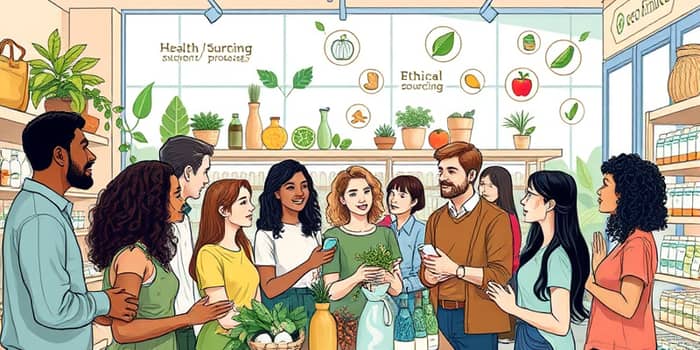
In an era defined by rapid change and complex global challenges, a new cohort of buyers is reshaping markets and demanding deeper purpose from every purchase. These conscious consumers don’t just seek products—they pursue alignment between their wallets and their values. As design and wealth strategies evolve to meet these expectations, both individuals and brands must understand the principles behind this movement.
At its core, a conscious consumer makes decisions guided by environmental, ethical, health, and social values. They move beyond impulse and marketing gimmicks toward intentional, value-based and mindful spending. Research shows they:
By resisting mindless consumption, these buyers set the stage for a more sustainable marketplace.
The global sustainable products sector commands a 17% global market share and is growing 2.7 times faster than conventional goods. In health and wellness alone, the market reached $7.32 trillion in 2025, projected to exceed $10 trillion by 2030. Beauty and anti-aging drive $1.33 trillion of that, while healthy eating and weight loss account for $1.24 trillion.
Growth rates underscore this shift:
Consumers aren’t just talking sustainability—they’re spending on it. Nearly half of U.S. buyers purchased an eco-friendly product last month, and 76% say a brand’s environmental practices influence their choices.
Beyond statistics, the shift is fundamentally human. Conscious consumers are driven by purpose, not status. They:
This mindset fuels curated commerce models—subscription boxes, invite-only collections, and peer-led recommendations—where authenticity reigns over mass marketing.
Brands must respond with thoughtful strategies. At the heart of this evolution lies genuine, clear sustainability messaging and a commitment to accessibility. Key design implications include:
By embedding ethics into product design and communication, brands can grow up to three times faster than competitors reliant on hype alone.
Intentional spending is not just an ethical statement—it’s a wealth-building strategy. Conscious consumers set strict budgets, track returns on investment, and delay gratification to maximize long-term value. They view purchases as contributions to personal well-being and societal health.
Consider the ripple effects of this approach:
Every dollar redirected to durable, ethical goods becomes a long-term asset—in environmental, financial, and personal health terms.
Despite enthusiasm, key obstacles remain: price, availability, and awareness. In the U.S., 36% wanted to buy sustainable products but faced hurdles. To democratize conscious consumption, stakeholders must collaborate on:
Such initiatives help more people access healthy foods, ethical apparel, and eco-friendly essentials, ensuring the movement extends beyond premium niches.
Consumer values are accelerating market transformation. Expect to see:
• Continued rise of plant-based nutrition and holistic wellness tourism.
• Expansion of circular economy models: refurbished tech, clothing swaps, and zero-waste packaging.
• Growth in curated, community-driven buying experiences.
• New digital platforms offering expert-vetted product guides and impact tracking.
As Gen Z and Millennials gain purchasing power, the emphasis on social justice, environmental stewardship, and personal health will only intensify.
The intersection of design and wealth in 2025 pivots on conscious choice. For individuals, every purchase can reinforce a healthier planet and a stronger personal balance sheet. For brands, transparency, authenticity, and accessibility are non-negotiable pillars of growth.
By adopting prioritize function, durability, and long-term value, brands and consumers alike can forge a more vibrant, equitable, and prosperous future—one thoughtfully designed purchase at a time.
References