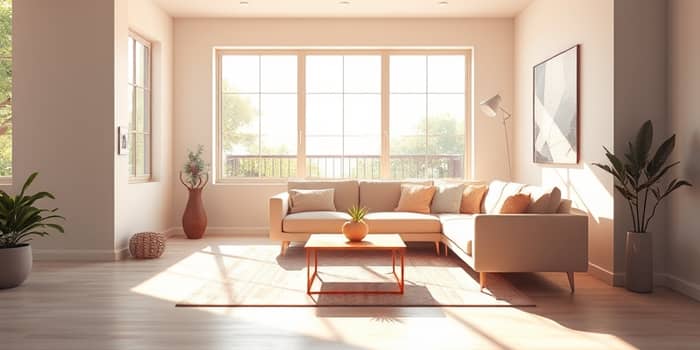
In a world of constant consumption and clutter, minimalism offers a radical alternative: paring back possessions to focus on what truly matters. By blending form and function, minimalist design becomes a powerful tool for both aesthetic enjoyment and substantial financial gain.
Embracing a lifestyle of simplicity can unlock unprecedented fiscal freedom by reducing wasteful expenses and channeling resources toward meaningful goals. This guide explores how intentional living leads to savings, well-being, and sustainable growth.
Minimalism centers on simplicity, functionality, and mindfulness. At its core is the idea of quality over quantity mindset that values purpose-built items and intentional choices.
Visually, minimalist design highlights clean lines, neutral tones, and multifunctional pieces. Every element serves a clear purpose, reinforcing a sense of calm and order in daily life.
Households practicing minimalism can save an average of $28,634 in annual expenses by eliminating non-essential purchases and optimizing living spaces. Major categories include housing, utilities, maintenance, insurance, clothing, and food waste.
By redirecting these savings into investments, households have the potential to amass approximately $400,000 over 10 years and over $1.2 million over 20 years, illustrating the long-term wealth building potential of minimalist choices.
Breaking down costs reveals the true scale of savings possible:
These figures underscore how modest adjustments in spending behavior compound into substantial annual reductions that fuel future financial security.
Beyond dollars, minimalism delivers significant mental health benefits. Clutter-free environments promote calm, boost focus, and reduce stress, creating space for creativity and clear thinking.
Adopting minimalism nurtures a deep sense of satisfaction by aligning possessions with values and experiences rather than fleeting desires.
The global minimalist living market spans home design, fashion, consumer goods, and digital services. Brands that thrive in this space emphasize sustainable multifunctional products and ethical production.
Demographics vary from high-income individuals investing in durable goods to budget-conscious urban dwellers seeking affordable simplicity. North America and Europe lead adoption, while younger generations in Asia-Pacific increasingly embrace minimalism amid rising urbanization.
Translating minimalist principles into practice can transform multiple areas of life:
These shifts foster an environment of efficiency and elegance, reinforcing the bond between simplicity and functionality.
Many perceive minimalism as restrictive or impersonal. However, reframing it as a means to prioritize meaningful spending and experiences dispels misconceptions and highlights its liberating potential.
Initial costs for high-quality items can seem steep, but education on long-term savings and environmental benefits paves the way for broader adoption.
The pandemic accelerated minimalism’s rise, with more people valuing home functionality and digital mobility. Social media influencers and sustainability movements further propel minimalist ideals into mainstream consciousness.
Looking ahead, minimalist design is poised to shape the next wave of consumer expectations: streamlined user experiences, ethical production methods, and resilient business models that honor sustainable consumer demand.
By integrating minimalist design into daily choices, you unlock deeper financial resilience, emotional well-being, and environmental stewardship. Begin by decluttering a single space, catalog your core values, and invest your newfound savings in long-term goals. The art of less is more than a trend—it’s a pathway to lasting prosperity and purposeful living.
References