In 2025, sustainability and style converge like never before. With nearly half of Americans now express their values through conscious purchases, the notion of green glamour has transcended niche markets.
Global trends reveal that 72% of consumers are happy to pay a premium for sustainable goods, while 94% support lifestyle shifts toward zero-waste living. Yet 61% cite cost as a barrier and 42% struggle to find trustworthy eco-products.
From artisanal market stalls to major fashion weeks, sustainable style has claimed its place on global stages. Influencers and celebrities endorse brands that uphold ethical values, proving that glamour and green principles can flourish side by side.
As economic pressures and climate impacts intensify, consumers are rethinking choices from closet to kitchen. The rise of Gen Z and Millennials as sustainability champions has reshaped brand priorities, pushing corporations to adopt ambitious targets.
In response, 68% of companies have integrated Corporate Sustainability Reporting measures, and AI-powered tools promise up to 20% emissions reduction by midcentury. This momentum proves that green glamour is core business imperative for profit alike.
Modern buyers are driven by transparency and authenticity. Generic “eco-friendly” labels no longer suffice; organic and natural claims now rank higher in searches, with organic clothing interest hitting record levels in late 2024.
Brands that disclose ingredient sourcing and lifecycle impact enjoy faster growth, with 56% of market expansion driven by ESG-claimed products over the past five years.
Fashion’s green revolution has moved beyond bamboo tees. Consumers seek quality over quantity, favoring slow fashion, upcycled designs, and vintage luxury finds. This movement challenges fast fashion’s linear model.
Major retailers like IKEA and other brands now embrace circular programs—refurbishing, resale, and take-back schemes—to extend product lifespans. As one industry leader puts it, the future of style isn’t just about looking good but doing good.
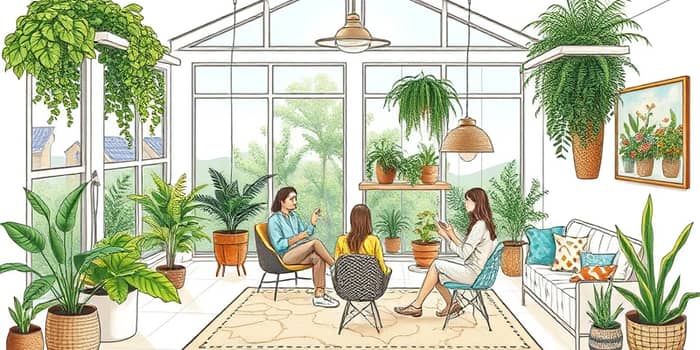
Stylish sustainability extends into our living spaces. Energy-efficient homes feature advanced insulation, solar arrays, and smart climate control systems to cut utility bills and emissions.
This aesthetic blends form and function, proving that eco-design need not sacrifice elegance or comfort.
Digital innovations accelerate the green makeover. Companies leverage blockchain and AI to track Scope 3 emissions and certify sustainable sourcing in real time. These technologies empower both businesses and consumers to verify claims and reduce waste.
Generative AI is being used by 65% of Canadian executives to optimize supply networks, cutting emissions and costs simultaneously. Smart home apps give users real-time data on energy and water use, empowering behavior change and cost savings.
Transparency has become the gold standard, with 94% of buyers loyal to brands that share full sustainability reports.
Despite enthusiasm, obstacles remain. Rising living costs squeeze green budgets, while 42% of shoppers struggle to locate eco-friendly options. Distrust of misleading claims further dampens momentum.
By bridging affordability, availability, and trust, we can democratize green glamour for every consumer.
Circularity lies at the heart of sustainable style. Embracing reuse and repair over disposal could ensure that 80% of plastic waste is recycled by 2040, slashing ocean pollution by the same margin.
These figures highlight how circular practices not only benefit the planet but also generate economic opportunities across sectors.
Green glamour transcends aesthetics, nurturing mental and physical health. Cleaner air and reduced pollution prevent premature deaths and chronic illnesses, affecting over 9 million lives annually.
Mindful consumption fosters community engagement, as sharing platforms and repair cafes bring neighbors together in collective stewardship.
Research shows that living in greener, thoughtfully designed spaces reduces stress and boosts emotional wellbeing. Gardens, natural materials, and daylight integration become elements of self-care.
Landmark agreements at UNEA-6 and the upcoming review at UNEA-7 reinforce sustainable lifestyles as a global priority. COP30 in Brazil will further embed green living into national commitments, guiding policies through 2030 and beyond.
As consumer demand continues to climb, businesses that adapt will thrive. By 2050, transformative changes could cut emissions by up to 70% in key sectors, ushering in an era of stylish sustainability that benefits all.
In this pivotal moment, green glamour is more than a trend—it is the blueprint for a resilient and radiant future. Every choice, from the clothes we wear to the walls we live in, contributes to a tapestry of hope and innovation. Embrace the journey, shape the narrative, and live a life that looks and feels truly magnificent.
References