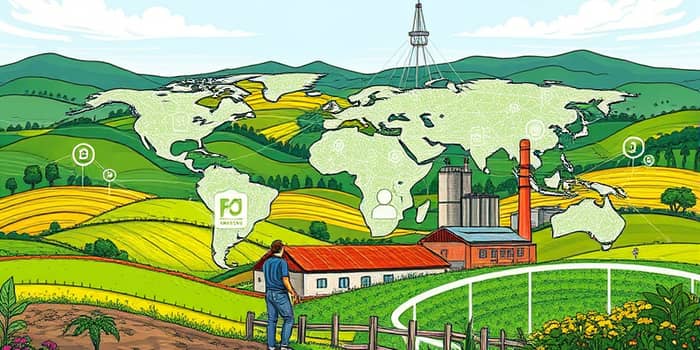
In an era where consumer values and investor demands drive corporate behavior, building truly responsible production networks is no longer optional. Companies must navigate complex global chains while ensuring fairness, sustainability, and transparency at every step.
An ethical supply chain extends beyond mere compliance. It champions safe working conditions, fair pay, and the elimination of exploitation. Environmental stewardship, community impact, and full traceability round out its scope.
Key characteristics include:
Certifications such as Fair Trade, Rainforest Alliance, and ISO standards validate commitments and build stakeholder trust.
Global regulations—from EU due diligence laws to U.S. import bans—underscore the legal risks of unethical sourcing. Meanwhile, 70% of consumers say sustainability influences their purchasing behavior. Investors, too, channel capital according to ESG criteria, with over $35 trillion in sustainable assets under management in 2020.
Strong ethical practices reduce reputational risk, foster brand loyalty, and unlock preferential financing. They also deliver tangible social impact by improving livelihoods and protecting ecosystems.
Directing capital toward ethical supply chains requires tailored financial instruments. Each mechanism incentivizes positive outcomes, aligns costs with sustainability goals, and mitigates risk.
Integrating ethics into the supply chain demands a structured approach:
Regular training and stakeholder engagement ensure continuous improvement and reinforce accountability.
Despite the benefits, companies face significant hurdles:
Cost pressures and operational complexity often deter small and medium enterprises. To address this, blended finance models and public-private partnerships can reduce entry barriers by combining grants with concessional loans.
Data reliability issues and the risk of greenwashing require robust third-party verification and standardized reporting frameworks. Embracing digital tools enhances data accuracy and stakeholder confidence.
Engaging suppliers across multiple tiers poses another challenge. Capacity-building programs and collective industry initiatives help elevate standards uniformly throughout the supply chain.
Leading brands demonstrate how theory translates into practice:
These examples reveal a shared secret: success hinges on unwavering leadership commitment and transparent reporting.
Looking forward, several trends will shape the ethical supply chain landscape:
By combining financial innovation, technological adoption, and stakeholder collaboration, companies can transition toward supply chains that respect people and planet. This journey, though complex, offers unparalleled value: resilient operations, enhanced brand equity, and a lasting positive impact on communities worldwide.
References