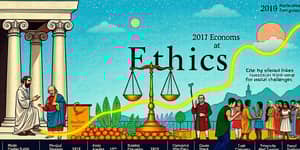
In today’s complex financial landscape, leaders are challenged not only to deliver strong returns, but also to uphold values that benefit stakeholders and society. Ethical leadership in finance bridges the gap between profit and purpose, ensuring long-term stability, trust, and social responsibility.
The aftermath of global disruptions—economic downturns, regulatory upheavals, and shifting societal expectations—has intensified scrutiny on financial institutions. In this environment, the temptation to compromise standards for short-term gains is powerful.
Protecting corporate reputation and fostering stakeholder confidence are no longer optional. Companies that demonstrate unwavering commitment to ethics enjoy superior resilience, reduced risk exposure, and stronger public trust.
Ethical leadership in finance means making decisions that honor the interdependence of customers, employees, investors, and society, while sustaining solid financial results. At its core, it rests on three pillars:
By living these principles, leaders create a culture where ethics become the default, rather than an afterthought.
Leaders who embody ethical finance share distinct competencies rooted in character and vision. Chief among these are:
These traits foster trust, inspire teams, and guide organizations through moral dilemmas.
Translating ethical vision into everyday practice requires robust structures and clear policies. Financial leaders can implement:
By embedding robust internal controls and audit processes, organizations mitigate fraud and reinforce a culture of transparency.
Structured frameworks help align financial objectives with ethical commitments. Two widely used models include:
Deploying these frameworks ensures that decisions serve both financial goals and broader societal needs.
Visionary leaders around the globe demonstrate that ethics and profitability can go hand in hand. For instance:
Paul Polman at Unilever integrated sustainability into core strategy, showing that long-term growth thrives on environmental stewardship. Patagonia’s founders commit at least 1% of sales to environmental causes, turning corporate values into tangible impact. Sir Richard Branson has championed fair employee practices and social innovation across the Virgin Group.
Even CFO-led initiatives play a critical role: by highlighting ethical blind spots in reporting and embedding moral considerations into every financial decision, they safeguard the company’s reputation and bottom line.
Empirical research underscores the advantages of ethical governance. Organizations led by principled executives report:
Small and medium-sized enterprises with fewer controls face greater fraud risk, demonstrating the critical role of formal policies, regardless of firm size.
Despite clear benefits, implementing ethical leadership faces roadblocks:
By confronting these challenges head-on, organizations build resilience against ethical lapses and foster a shared sense of responsibility.
Emerging trends—remote and hybrid work models, advances in fintech, and heightened generational expectations—are reshaping the ethical landscape. Companies must:
Adapt policies for distributed teams, ensuring consistent oversight. Leverage technology to enhance transparent decision-making, from blockchain-based audits to AI-driven risk assessments. Engage younger professionals who demand purpose-driven careers, embedding ethics into employer branding and talent development.
As the finance sector evolves, ethical leadership will remain the cornerstone of sustainable success, guiding firms toward lasting value for all stakeholders.
By cultivating conscience at every level—through integrity, accountability, and foresight—financial leaders can navigate complexity with confidence and chart a course toward a more equitable, prosperous future.
References